
Furnace Replacement Cost in Brighton and Livingston County, MI
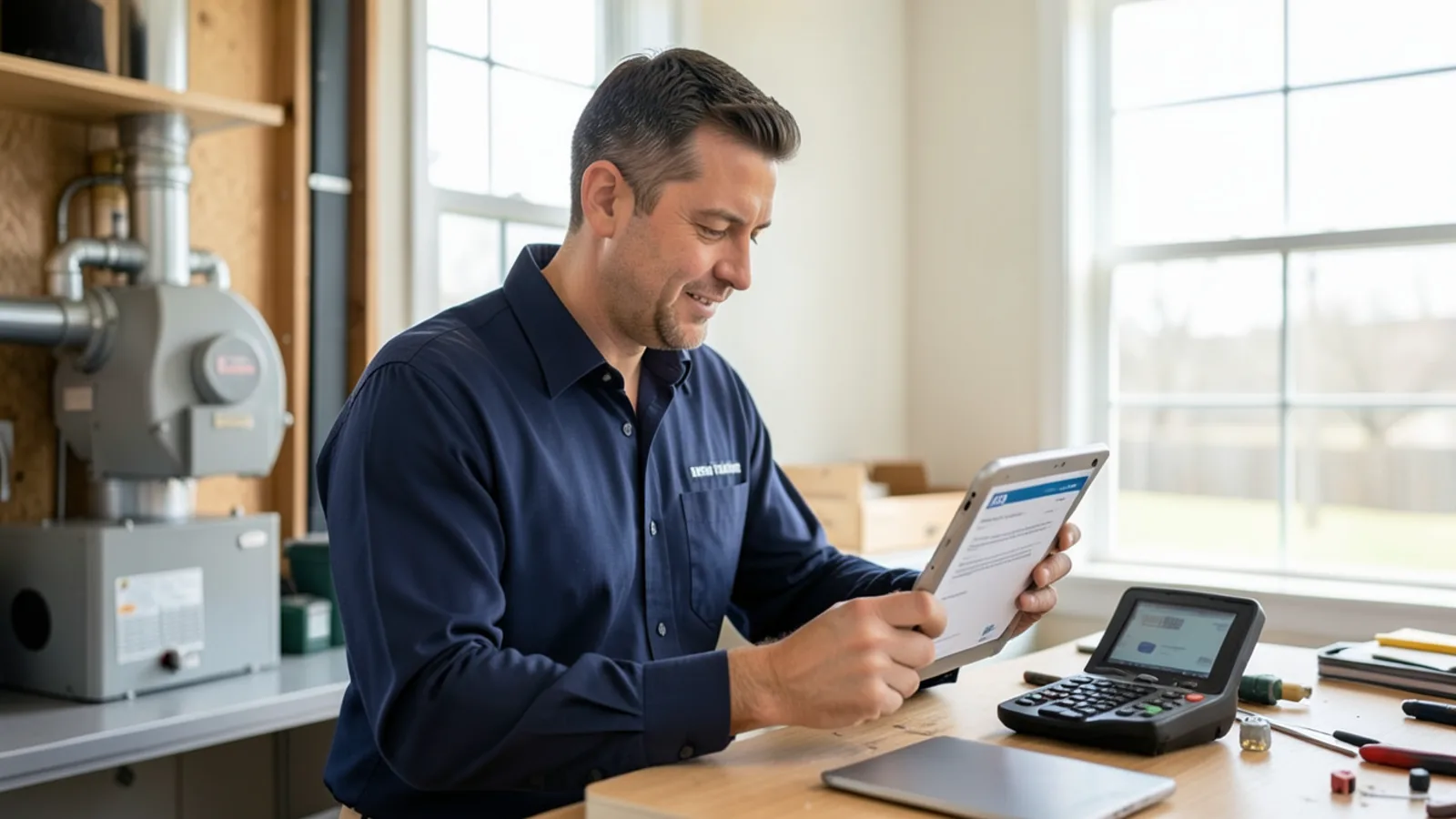
A high-efficiency furnace replacement in Livingston County typically ranges from $3,800 to $7,800 fully installed, depending on efficiency tier (single-stage 95% vs modulating 98% AFUE), whether direct PVC sidewall venting must be installed, electrical/gas line upgrades, and duct transition fabrication. Utility rebates from DTE/Consumers ($400–$900) and federal tax credits (up to $600) can offset these costs significantly.
Realistic Technical Cost Drivers for Michigan Furnaces
When researching furnace replacement costs in Southeast Michigan, homeowners frequently encounter vague online averages ranging from $2,500 to $12,000. In real-world field installations across Brighton, Howell, and South Lyon, installed costs are governed by verifiable physical criteria: building thermal load, ductwork static pressure capacity, existing venting infrastructure, and equipment engineering.
A furnace replacement is not a simple plug-and-play appliance swap like a dishwasher or clothes dryer. The equipment must integrate seamlessly with your home's 120-volt electrical distribution, natural gas or LP propane supply piping, combustion flue venting, and high-volume sheet metal ductwork. If any of these mechanical interfaces are improperly sized or executed, equipment efficiency drops precipitously, operational noise spikes, and premature heat exchanger failure occurs.
Key physical variables that dictate final replacement investment include: total BTU/hr heating output required to satisfy Michigan winter design temperatures (-5°F to 0°F); the physical cabinet dimensions relative to your existing air handler or cased AC coil; whether your home requires core drilling for dedicated two-pipe PVC direct venting; and the complexity of local mechanical permit filings through county or township building departments.
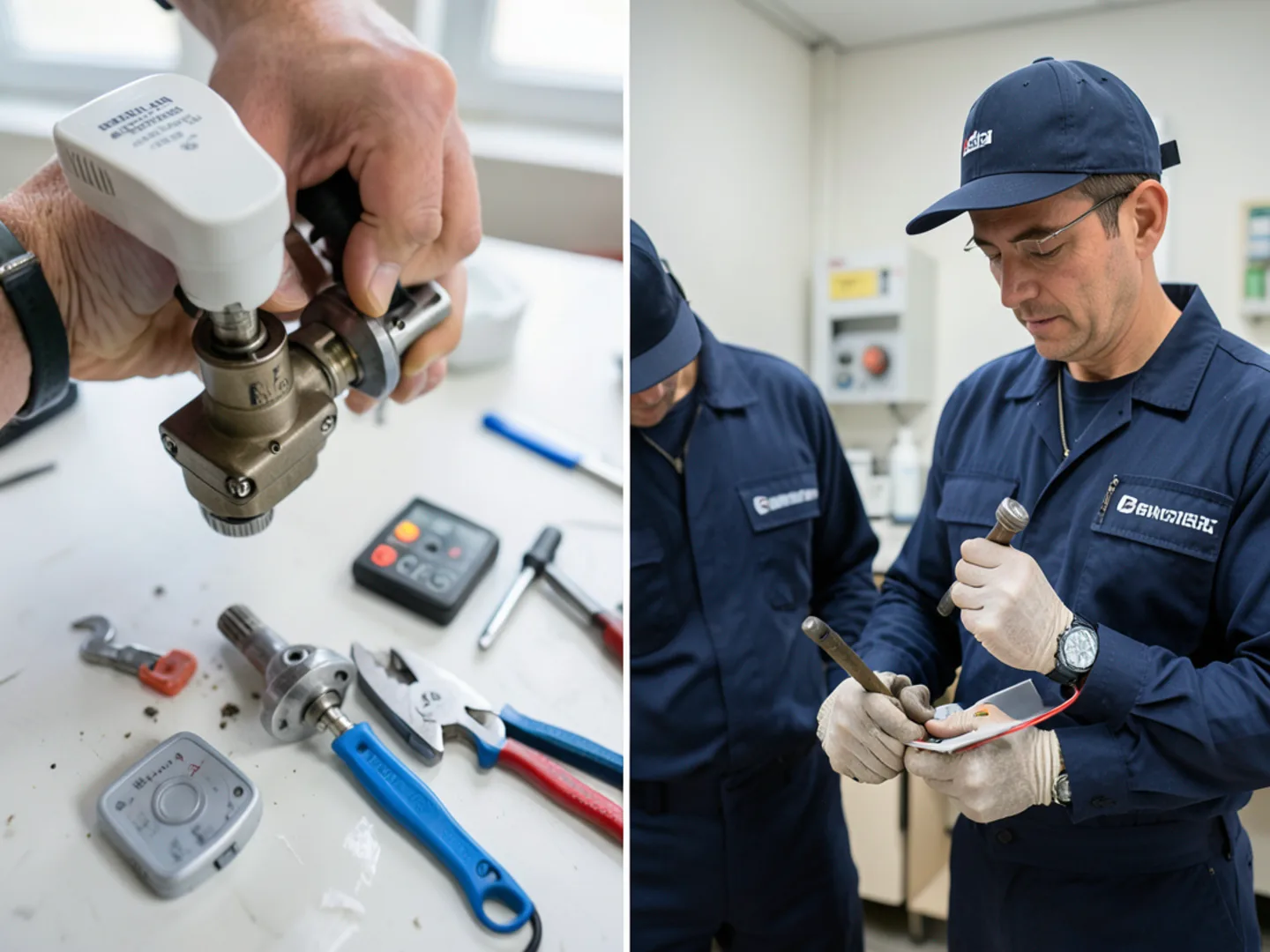
Need an Expert On Site at Your Home?
Our Brighton HVAC team provides prompt dispatch across Livingston County. Call (321) 666-8870.
Equipment Technology Tiers: Single-Stage vs. Two-Stage vs. Modulating
The largest single determinant of equipment investment is combustion and blower motor sophistication. Modern residential gas furnaces are grouped into three distinct technological tiers:
1. Single-Stage 95% AFUE Condensing Furnaces ($3,800 – $5,200 installed)
Single-stage condensing units represent the baseline high-efficiency standard. The gas valve and multi-speed blower operate at 100% full capacity whenever the thermostat demands heat. While highly dependable and vastly superior to older 80% atmospheric units, single-stage operation produces noticeable temperature swings between heating cycles and can leave second-story bedrooms feeling drafty during mild 30°F–40°F weather.
2. Two-Stage 96% AFUE with Constant-Torque ECM Motors ($4,800 – $6,500 installed)
The most popular equipment choice for Livingston County colonials and split-levels. Two-stage furnaces feature a dual-fire gas valve. During mild winter days (which represent approximately 80% of the Michigan heating season), the furnace runs quietly on low fire (approx. 65% capacity) for long, steady cycles that eliminate hot-and-cold spots. On severe sub-zero January nights, the system automatically shifts to high fire. Paired with an electrically commutated motor (ECM), electrical consumption is reduced by up to 50% compared to legacy PSC motors.
3. Modulating Variable-Capacity 97%–98%+ AFUE Systems ($6,200 – $7,800+ installed)
The pinnacle of residential heating comfort. Modulating furnaces utilize electronic stepper-motor gas valves that adjust heat output in minute 1% increments (from 40% up to 100%) while variable-speed ECM blowers dynamically adjust CFM airflow to match duct static pressure. These systems maintain indoor temperatures within one-half degree of thermostat setpoints, virtually eliminate operational noise, and deliver the highest possible fuel savings.
Infrastructure Upgrades: PVC Direct Venting, Electrical & Sheet Metal
When upgrading from a 20- to 30-year-old 80% standard-efficiency furnace to a 90%+ condensing system, existing chimney and duct interfaces require code-mandated mechanical modernization:
Dedicated Direct-Vent Schedule 40 PVC Penetrations
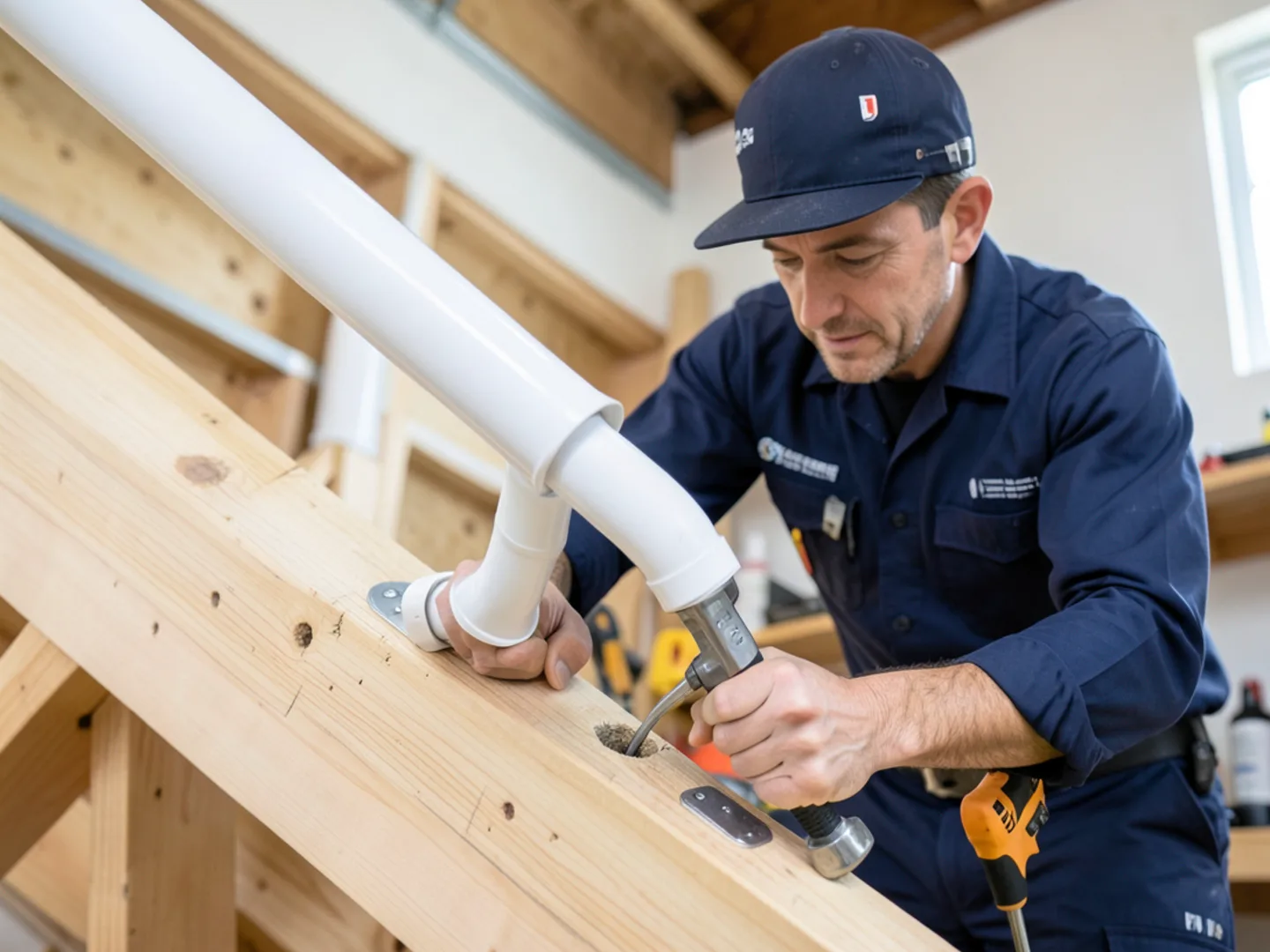
Condensing furnaces cannot vent into existing metal B-vent chimneys because low exhaust temperatures cause moisture to condense rapidly into acidic liquid that destroys chimney masonry and steel liners. Instead, technicians must core-drill two dedicated 2-inch or 3-inch Schedule 40 PVC or polypropylene pipes through the basement rim joist to the exterior of the home—one for fresh combustion air intake, and one for flue exhaust.
Custom Galvanized Sheet Metal Transitions
Modern furnace cabinets are shorter (typically 33 inches) and often narrower than vintage 1990s units. Dropping a new furnace into place without custom transition fittings creates severe airflow turbulence. PerformanceMech custom-fabricates heavy-gauge galvanized supply and return transitions equipped with aerodynamic turning vanes to maintain static pressure below 0.5 inches W.C.
Condensate Neutralizers and Automated Removal Pumps
Because high-efficiency condensing furnaces produce several gallons of acidic condensate daily during winter, code requires proper drainage management. We install commercial-grade condensate neutralizers containing calcium carbonate media to neutralize acidity before draining, along with high-capacity automated condensate pumps equipped with safety overflow float switches.
Complete Equipment Tier & Investment Comparison Matrix
Compare the total installed investment, operational characteristics, and utility rebate qualifications across residential heating tiers:
| Heating Technology Tier | AFUE Efficiency | Typical Installed Range | Ideal Livingston County Property | Rebate & Tax Credit Potential |
|---|---|---|---|---|
| Standard Single-Stage Condensing | 95.0% AFUE (PSC/ECM) | $3,800 – $5,200 | Smaller ranch homes, rental units, budget-conscious replacements | $400 DTE/Consumers rebate + $600 Federal 25C credit |
| Premium Two-Stage Variable-Speed | 96.0%–96.5% AFUE (ECM) | $4,800 – $6,500 | 2,000–3,500 sq ft two-story colonials in Howell, Brighton, South Lyon | $600–$800 DTE/Consumers rebate + $600 Federal 25C credit |
| Ultra Modulating Communicating | 97.5%–98.5% AFUE (Inverter) | $6,200 – $7,800+ | Executive custom homes, vaulted great rooms, luxury estates in Novi/Northville | $800–$900 DTE/Consumers rebate + $600 Federal 25C credit |
| Dual-Fuel Hybrid Heat Pump System | 96% Gas + 16+ SEER2 HP | $8,500 – $13,500 | Rural acreage properties utilizing bulk delivered LP propane (Hartland/Hamburg) | Up to $1,500 utility rebate + $2,000 Federal 25C tax credit |
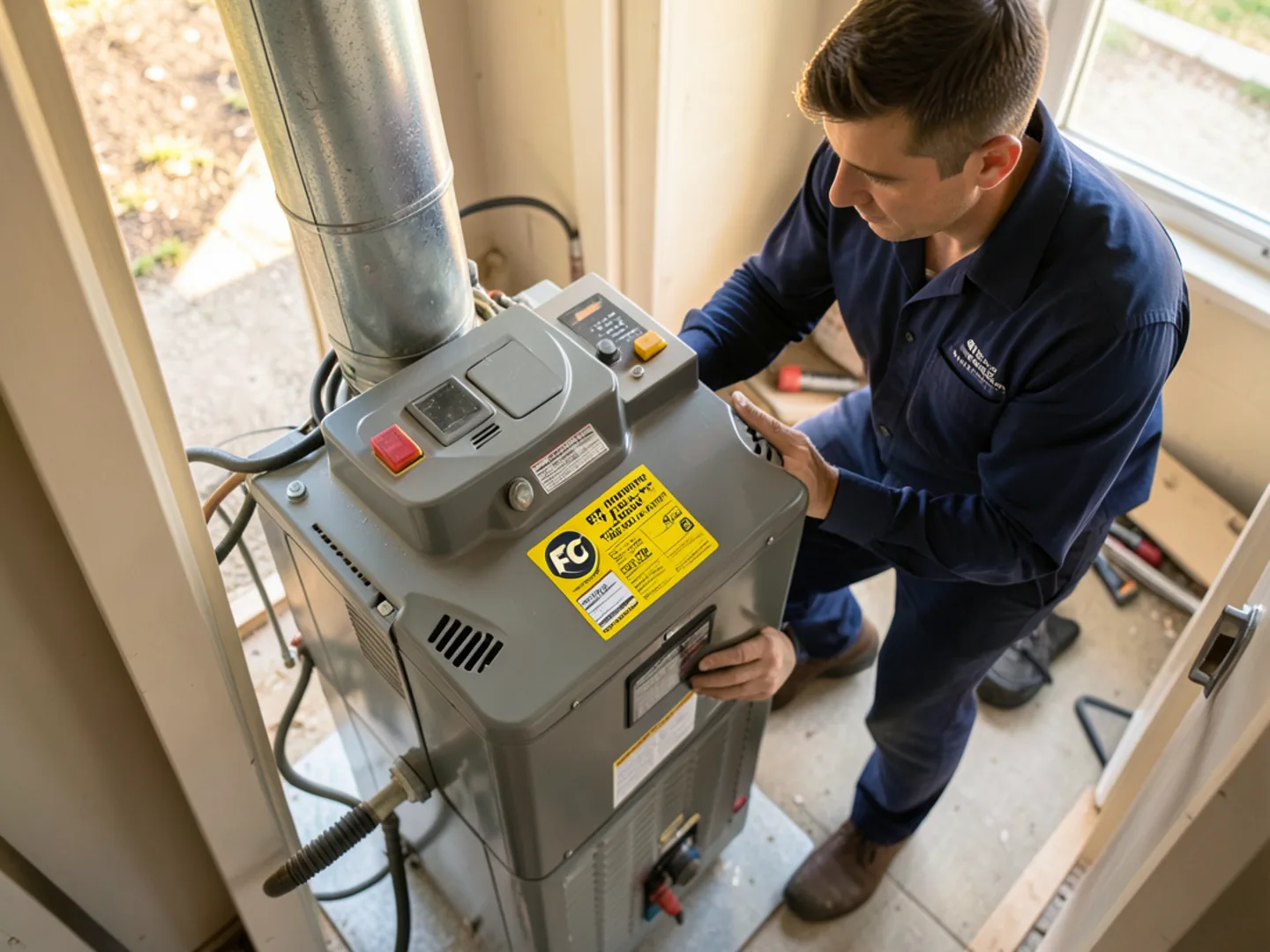
The Cost of Oversizing: Manual J Engineering vs. Rule-of-Thumb Guesswork
One of the costliest mistakes a contractor can make is guessing furnace size using obsolete square-footage rules of thumb (e.g., '40 BTUs per square foot').
Installing an oversized 100,000 BTU furnace in a home that only requires 65,000 BTUs increases initial equipment cost and ruins indoor comfort. An oversized furnace blasts immense heat into the supply ducts, satisfies the thermostat within 5 to 7 minutes, and shuts off before heat can circulate to distant bedrooms. This severe short-cycling creates noisy duct expansion popping, leaves basement levels freezing, and subjects heat exchanger steel to extreme thermal shock that cuts equipment lifespan in half.
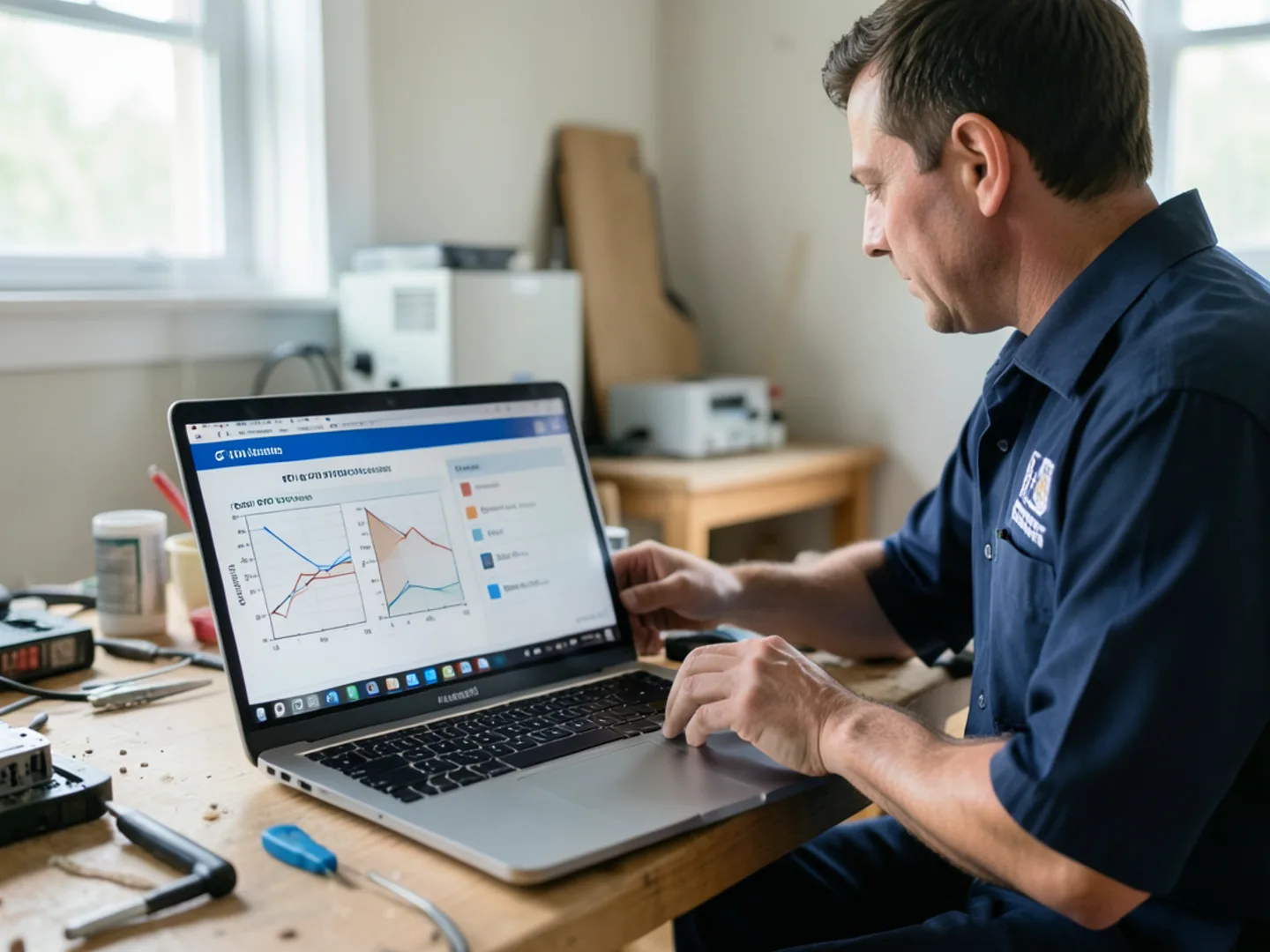
PerformanceMech performs computerized ACCA Manual J heating load calculations for every installation. We analyze window U-factors, ceiling insulation R-values, basement wall construction, air infiltration rates, and Livingston County's official 99% ASHRAE winter design temperature (-4°F) to size your system with mathematical precision.
Utility Rebates, Federal Tax Credits & Permit Compliance
Homeowners can significantly offset upfront replacement costs by leveraging stacked utility incentives and federal clean-energy tax credits:
Under the federal Inflation Reduction Act Section 25C Energy Efficient Home Improvement Credit, homeowners who install qualifying ENERGY STAR certified gas furnaces (97%+ AFUE) can claim a 30% federal tax credit up to a maximum of $600. Homeowners installing qualifying cold-climate dual-fuel heat pumps can claim up to $2,000.
In addition, local utilities offer substantial equipment rebates: DTE Energy and Consumers Energy provide cash rebates ranging from $400 to $900 for qualifying 96%+ AFUE condensing furnaces and matched ECM blower combinations. PerformanceMech supplies all required AHRI certificates and rebate documentation to ensure rapid processing.
Finally, ensure your installer pulls all required mechanical and electrical permits. In Livingston County, unpermitted HVAC replacements can void homeowner property insurance coverage in the event of fire and create substantial legal complications during future real estate sales.
Why Reusing an Undersized Return Drop Destroys a New Blower Motor
When replacing a 20-year-old furnace, low-bid contractors frequently connect the new high-efficiency cabinet directly to the existing return drop without testing static pressure. Modern high-efficiency furnaces with ECM blowers require significantly more return air volume than older systems. If your existing return duct drop is undersized—such as a 16x25 drop feeding a 4-ton blower—external static pressure spikes above 0.8 inches water column (W.C.), far exceeding the 0.5 W.C. engineered limit. The ECM motor will ramp up electrical wattage and RPM to force air, resulting in noisy whistling, excessive electricity consumption, and premature motor burnout within 3 to 5 years. Always insist on a measured static pressure test and custom return plenum fabrication.
Frequently Asked Questions
Common questions Michigan homeowners ask our technicians regarding this topic.
In Southeast Michigan, where furnaces run heavily for 5 to 6 months annually, a properly maintained high-efficiency furnace typically lasts 15 to 20 years. Units that suffer from restricted airflow, oversized burners, or lack of annual combustion tune-ups frequently fail prematurely between 12 and 15 years due to heat exchanger cracking or blower motor burnout.
PerformanceMech Technical Team
Licensed Michigan Mechanical & Hydronic Specialists serving Livingston, Oakland & Washtenaw Counties.
Related Professional Services
Related Service Areas Covered
Have Heating or Cooling Trouble Today?
Call PerformanceMech Heating & Air at (321) 666-8870. Live phone response and rapid dispatch from our Brighton hub.