
Fall Furnace Tune-Up Checklist for Southeast Michigan Homes
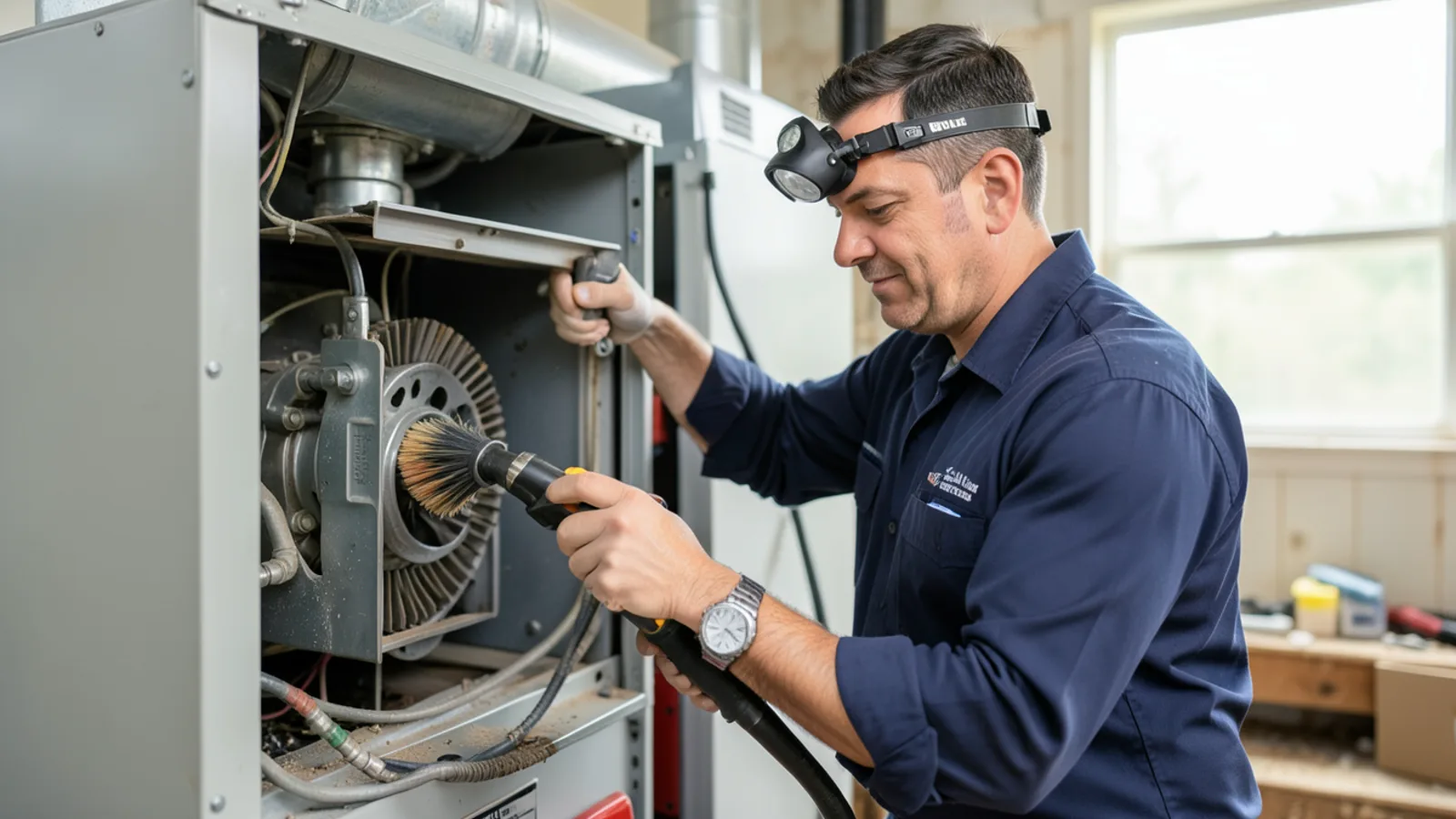
A comprehensive fall furnace tune-up in Michigan requires a certified 21-point safety inspection: testing flame sensor microamps (minimum 1.5–2.0 μA), checking manifold gas pressure, verifying draft inducer static pressure, testing heat exchanger integrity for carbon monoxide, and changing the whole-house humidifier pad. Call PerformanceMech at (321) 666-8870 to schedule your pre-winter precision tune-up.
Why Autumn Pre-Season Maintenance Is Essential in Livingston County
In Southeast Michigan, winter is not merely a colder season; it is an unforgiving mechanical endurance test. A residential gas or propane furnace will cycle on and off thousands of times between October and April, logging upwards of 1,800 hours of continuous operation in sub-freezing temperatures.
The Vulnerability of Inactive Summer Equipment
Over five to six months of humid Michigan summer dormancy, internal furnace components degrade quietly. High basement humidity oxidizes steel burner orifices, creates a non-conductive microscopic silica film on flame sensors, and allows spiders and insects to spin dense webs inside draft pressure switch tubes. Firing an uninspected furnace on the first sub-freezing October night is the direct cause of over 80% of emergency heating dispatch calls.
Preventing Polar Vortex Lockouts and Frozen Plumbing
When an Arctic polar vortex drives Livingston County temperatures to -10°F or -15°F, heating companies face 48-to-72-hour emergency dispatch backlogs. A sudden middle-of-the-night furnace breakdown during an extreme freeze can cause residential interior temperatures to plunge below 40°F in under eight hours, putting copper domestic water supply lines and hydronic piping at imminent risk of catastrophic freezing and burst floods.
Energy Conservation and Extended Equipment Lifespan
A meticulously calibrated furnace consumes 8% to 15% less natural gas or propane than an unmaintained system struggling against dirty burners, misaligned gas pressure, and restricted duct static pressure. Over an equipment lifespan, regular annual tune-ups add four to seven years of reliable operational life while protecting the equipment's 10-year factory warranty coverage.
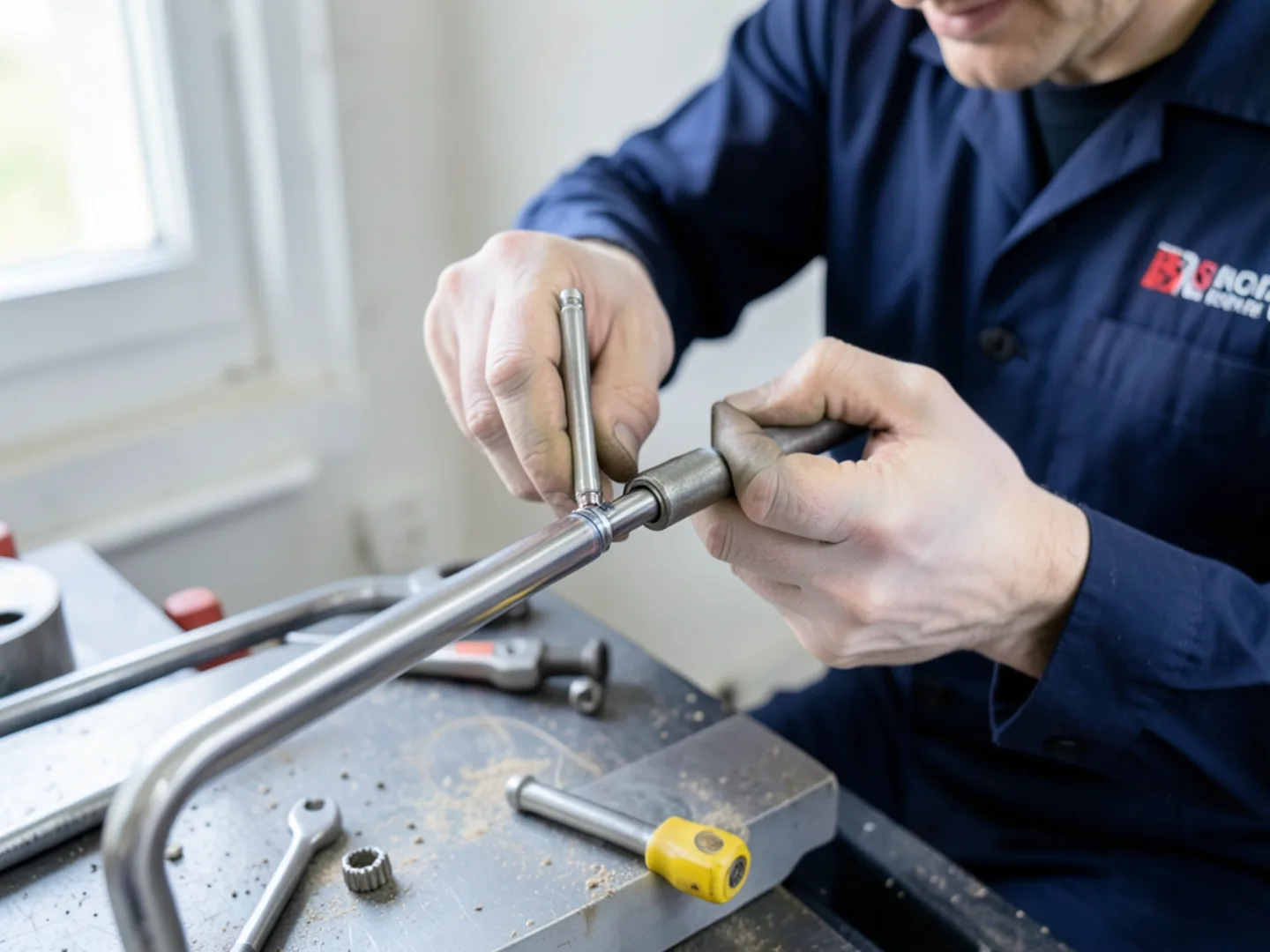
Need an Expert On Site at Your Home?
Our Brighton HVAC team provides prompt dispatch across Livingston County. Call (321) 666-8870.
The Professional 21-Point Safety and Performance Inspection Checklist
A legitimate HVAC tune-up involves precision electronic measurement and mechanical calibration, not a superficial visual inspection. PerformanceMech executes this rigorous 21-point diagnostic protocol on every residential system.
| Inspection Step & Component | Diagnostic Test Performed | Acceptable Operating Reading | Failure Risk if Skipped |
|---|---|---|---|
| Flame Rectification Sensor | Microamp DC signal reading via multimeter | 1.5 to 5.0 μA DC (clean signal) | Intermittent burner lockout on cold nights; unburned fuel |
| Gas Valve Manifold Pressure | Digital differential manometer testing | 3.5" WC (Natural Gas) / 10.0" WC (LP) | Sooting, overfiring, cracked heat exchanger, or high CO |
| Blower Motor Run Capacitor | Capacitance test with meter (μF rating) | Within ±5% of manufacturer rated μF | Blower motor overheating, failed start, high-limit trip |
| Heat Exchanger Cells | Optical borescope & draft pressure test | Zero cracks, zero flame flutter upon start | Deadly carbon monoxide leak into household supply ducts |
| Draft Inducer Pressure Switch | Magnehelic negative pressure calibration | Closes within ±0.05" WC of rating plate | Failure to vent exhaust gases; ignition lockout |
| External Static Pressure (ESP) | Dual-probe manometer across coil and return | Under 0.50" to 0.70" WC total static | ECM blower burnout; reduced airflow to second floor |
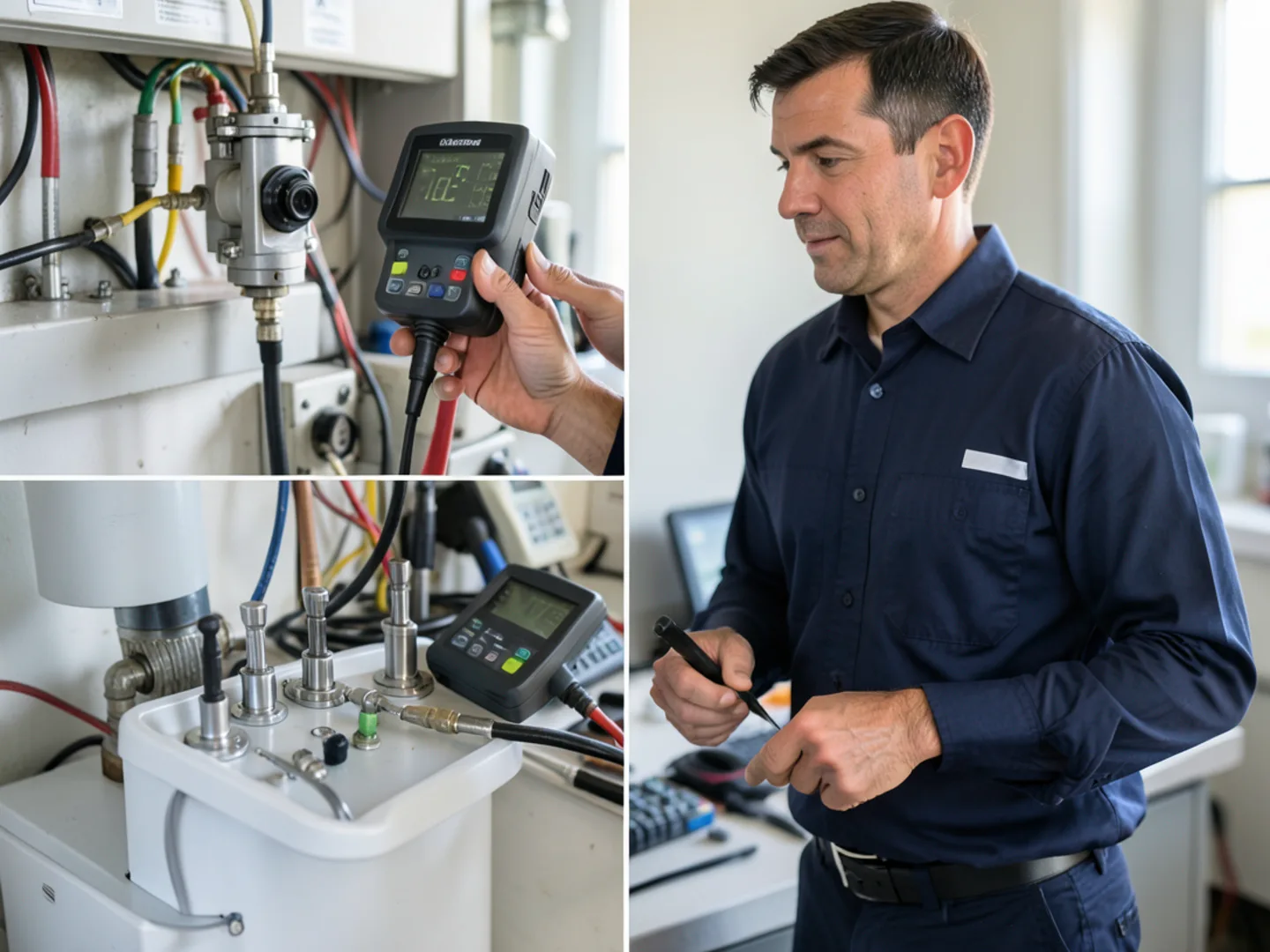
Combustion Analysis and Heat Exchanger Safety Verification
The primary mandate of an autumn heating inspection is family life safety. Because natural gas and propane furnaces produce lethal carbon monoxide as a combustion byproduct, verifying that the combustion process is clean and hermetically contained is non-negotiable.
Electronic Flue Gas Combustion Analysis
PerformanceMech technicians insert an electronic combustion analyzer probe directly into the flue exhaust breach. The instrument continuously records levels of oxygen (O2), carbon dioxide (CO2), stack temperature, and flue parts-per-million (PPM) of carbon monoxide. Flue CO levels must register safely under 100 PPM (with air-free readings under 50 PPM preferred). High CO or excessive stack temperatures indicate incomplete combustion, clogged burner ports, or overfiring.
Borescope Inspection of Clamshell and Drum Heat Exchangers
Using high-definition articulating optical borescopes, technicians snake illuminated camera heads deep inside primary heat exchanger cells and around secondary condensing coils. They inspect stamped metal dimples and welded seams for microscopic hairline stress fractures caused by decades of thermal expansion fatigue.
Flame Flutter and Blower Differential Testing
Technicians observe burner flame characteristics at the exact instant the circulating blower motor engages. If burner flames waver, roll back, or change color from blue to yellow when the blower starts, indoor circulating air is forcing its way through a crack in the heat exchanger into the burner chamber—a definitive indication of a compromised heat exchanger.
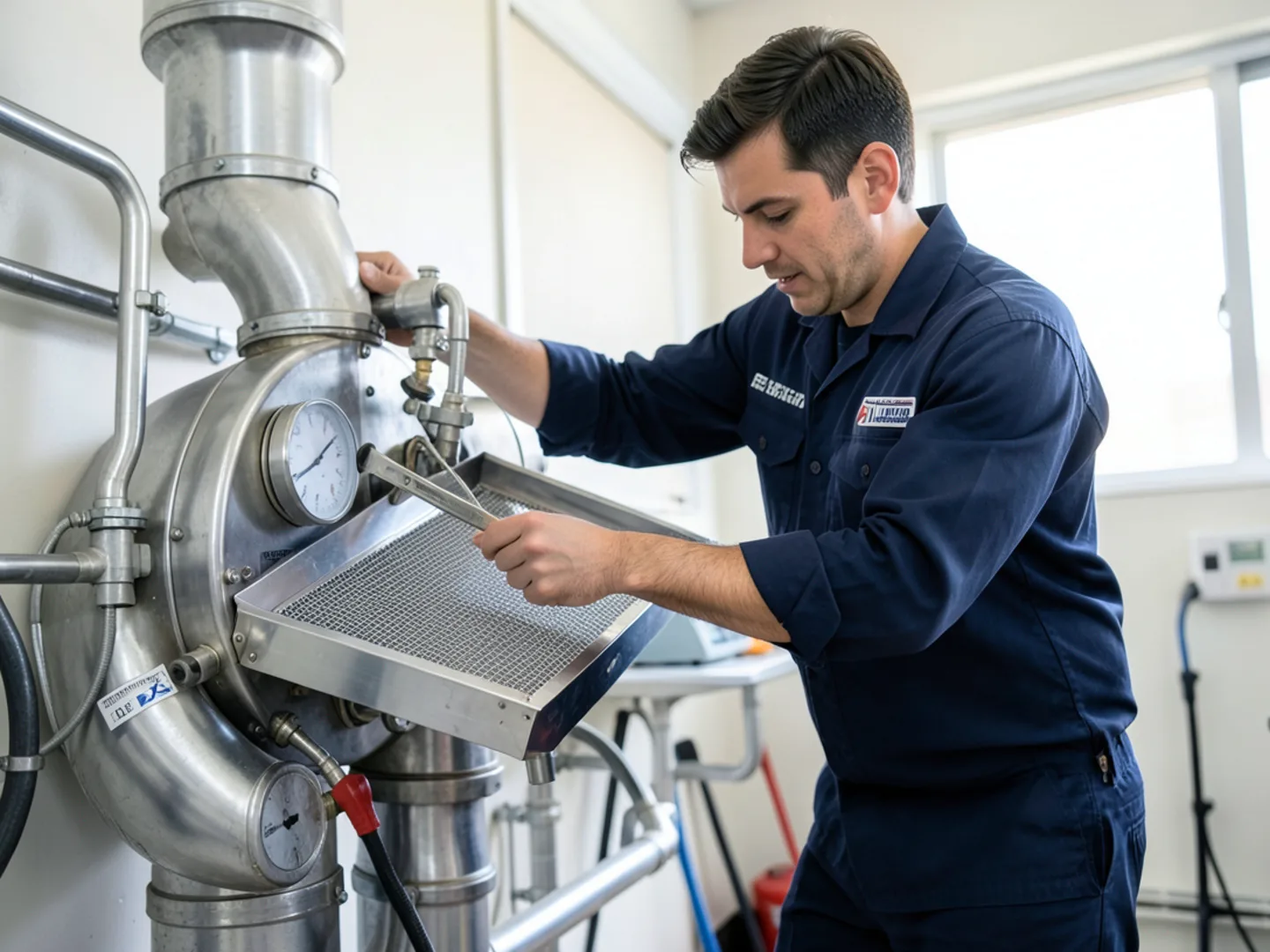
Electrical Ignition Sequence, Flame Rectification, and Sensor Burnishing
Modern furnaces rely on solid-state electronics and delicate microamp electrical currents to manage the ignition sequence. Slight oxidation on safety sensors is the number one cause of frustrating early-winter shutdowns.
The Physics of Flame Rectification
When furnace burners ignite, the ionized gas flame acts as an electrical conductor. The furnace control board sends an alternating current (AC) signal to the metal flame sensor rod. The burning flame rectifies this AC signal into a minute direct current (DC) microamp signal (typically 1.5 to 5.0 microamps) that flows back through the burner ground. If the control board senses less than 1.0 microamp, it assumes the flame has blown out and immediately shuts off the main gas valve to prevent a catastrophic explosion.
Burnishing the Sensor with Ultra-Fine Abrasive Media
Over months of operation, moisture and combustion minerals form an invisible, ceramic-like silica film across the flame sensor rod. This coating acts as an electrical insulator, dropping microamp signal readings. During a tune-up, technicians burnish the sensor rod using ultra-fine emery cloth or maroon Scotch-Brite pads (never coarse sandpaper, which leaves mineral residue that bakes onto the metal), restoring crisp electrical conductivity.
Hot Surface Igniter (HSI) Resistance Testing
Silicon carbide and silicon nitride hot surface igniters glow white-hot (exceeding 2,000°F) to ignite incoming gas. As igniters age, their internal electrical resistance increases. Technicians measure cold resistance with a digital ohmmeter. Igniters approaching their failure threshold (typically exceeding 75 to 90 ohms) are replaced proactively before leaving homeowners without heat during a deep freeze.
Blower Dynamics, External Static Pressure, and Filter Sizing
Airflow is the circulatory system of your home. A furnace with pristine burners will overheat and shut down on safety limit if the blower cannot push adequate air across the heat exchanger.
Total External Static Pressure (TESP) Diagnostics
Using static pressure probes connected to a dual-port digital manometer, technicians measure resistance to airflow in the return duct and supply plenum. High static pressure (exceeding 0.70" or 0.80" water column) indicates undersized ductwork or excessively restrictive air filters, which forces variable-speed ECM blower motors to ramp up to maximum RPM, wasting electricity and burning out expensive motor inverter modules.
Temperature Rise Verification Against Data Plate
Every furnace features a manufacturer data plate specifying an allowable 'Temperature Rise Range' (such as 35°F to 65°F). Technicians measure supply and return air temperatures with digital probes. If the actual temperature rise exceeds the maximum rating, the furnace is operating dangerously hot, risking cracked heat exchangers and repeated tripping of bimetal high-limit switches.
Blower Wheel Cage Cleaning and Balancing
The curved blades of a squirrel-cage blower wheel gather a thick coating of pet dander, lint, and household dust over years of service. A mere 1/16-inch coating of grime on blower fins reduces overall airflow output by up to 20%, creating uneven room temperatures across multi-story colonial homes.
Whole-House Humidification, Flue Terminations, and Freeze Preparation
A comprehensive autumn tune-up extends beyond the furnace cabinet to encompass essential ancillary heating and air quality equipment.
Whole-House Humidifier Pad Replacement
Cold winter air in Michigan holds virtually no natural moisture; indoor relative humidity can plummet below 15% without active humidification, causing severe skin irritation, dry sinuses, and shrinking hardwood flooring. Technicians replace the mineral-calcified evaporative water panel pad, clean the solenoid valve orifice, and test the humidistat control to ensure adequate winter moisture delivery.
PVC Flue and Air Intake Exterior Inspection
For 90%+ high-efficiency condensing furnaces, exterior PVC intake and exhaust pipes penetrating the rim joist must remain completely unobstructed. Technicians verify that exterior protective rodent screens are clear of dry leaves, hornet nests, and creeping vines, ensuring the system can draw clean combustion air and exhaust acidic flue gases safely.
Condensate Trap Flushing and Drain Line Clearing
Condensing furnaces generate between one and three gallons of acidic water every day of winter operation. During autumn service, technicians remove and chemically flush the internal condensate trap to clear biological slime and algae, ensuring the furnace does not trip its safety pressure switch when freezing weather sets in.
Field Notes on 'Filter-Wash' Scams vs. Precision Diagnostics
A true professional heating tune-up is not a quick 10-minute visual wipe-down with an oil can. In Southeast Michigan, where sub-zero polar vortexes push furnaces to their mechanical limits, a tune-up is a rigorous electro-mechanical and combustion audit. If a contractor doesn't pull out a digital manometer to measure manifold pressure, a multimeter to test flame sensor microamps, and a combustion analyzer to sample oxygen and CO in the flue pipe, they haven't performed a tune-up—they've merely dusted your cabinet. At PerformanceMech, our 21-point protocol records exact instrumentation metrics on every ticket, ensuring your equipment operates safely and preserves manufacturer warranty compliance.
Frequently Asked Questions
Common questions Michigan homeowners ask our technicians regarding this topic.
In Michigan's harsh climate, a gas or propane furnace should receive a professional tune-up once every year, ideally between September and November before the heating season begins. Annual maintenance ensures burner safety, verifies carbon monoxide containment, and prevents unexpected breakdowns during severe winter freezes.
PerformanceMech Technical Team
Licensed Michigan Mechanical & Hydronic Specialists serving Livingston, Oakland & Washtenaw Counties.
Related Professional Services
Related Service Areas Covered
Have Heating or Cooling Trouble Today?
Call PerformanceMech Heating & Air at (321) 666-8870. Live phone response and rapid dispatch from our Brighton hub.